By the Sahara Dental team | Las Vegas, NV
Short answer: Las Vegas has some of the driest air in the country. That dry air, plus constant heat and dehydration, lowers how much saliva your mouth makes. Less saliva means more cavities, more gum disease, worn enamel, and worse breath. Dry mouth is not just annoying. It is one of the fastest ways to damage your teeth. The good news is it is easy to fix once you know what to look for.
You live in the desert. Your mouth knows it.
Most people in Las Vegas blame the heat for dry skin and chapped lips. Few think about what it does to their teeth. But your mouth loses moisture the same way your skin does. And when it dries out, real dental problems start.
Dr. Shiva Keshmiri sees this every summer at Sahara Dental. Patients come in with new cavities, sore gums, and bad breath they cannot shake. Many of them brush and floss every day. The hidden cause is often dry mouth.
Here is what is happening, why it matters, and what you can do about it.
Why does Las Vegas make your mouth so dry?
Las Vegas sits in the Mojave Desert. Humidity here often drops into the single digits. Summer highs pass 110 degrees. That mix pulls water out of your body faster than you notice.
Sweat evaporates the second it hits your skin. So you rarely feel wet, even when you lose a lot of fluid. By the time you feel thirsty, you are already dehydrated.
When your body runs low on water, it makes less saliva. Then it gets worse. You spend all day in air conditioning, which dries indoor air even more. At night, that same AC runs while you sleep with your mouth slightly open. So your mouth stays parched around the clock, indoors and out.
Even our tap water works against you a little. Las Vegas water carries a heavy mineral load, and a lot of people do not love the taste. So they drink less than they should.
Doctors call this dry mouth. The medical name is xerostomia. Whatever you call it, the effect on your teeth is the same.
Who is most at risk for dry mouth in Las Vegas?
Anyone can get dry mouth here. But some people get hit harder. You are more at risk if you:
- Take daily medications. Over 500 common drugs list dry mouth as a side effect. Blood pressure pills, antidepressants, allergy meds, and pain relievers are big ones.
- Are over 60. Saliva production drops with age, and older adults often take more medications.
- Breathe through your mouth or snore. Mouth breathing dries your teeth out all night long.
- Work or exercise outdoors. Construction, landscaping, golf, hiking, and pool days all speed up fluid loss in the heat.
- Drink a lot of coffee, alcohol, or energy drinks. All three pull moisture out of your body.
- Smoke or vape. Both dry the mouth and feed the bacteria that cause decay.
- Just visited the Strip. A weekend of sun, cocktails, and late nights leaves plenty of tourists and locals with a bone-dry mouth and a surprise toothache.
If two or more of these sound like you, the desert is working against your teeth harder than most.
What does saliva actually do for your teeth?
Saliva is not just water. It is your mouth's built-in defense system.
Every day, saliva does three big jobs:
- It washes away food and bacteria before they stick to your teeth.
- It neutralizes the acids that eat through enamel.
- It carries minerals that repair weak spots before they become cavities.
When saliva runs low, all three jobs stop. Food sits longer. Acid builds up. Bacteria multiply. Your teeth lose their main line of protection right when they need it most.
Think of saliva as the rinse cycle for your mouth. Turn it off and everything you eat and drink just sits there.
What dental problems does dry mouth cause?
This is where a dry mouth turns into a real bill at the dentist. Low saliva leads to a chain of problems. Each one gets worse the longer you ignore it.
More cavities, faster
Without saliva to wash away acid, tooth decay speeds up. Cavities show up in spots you never had trouble before, like along the gumline and between teeth. Catch one early and it needs a simple tooth-colored filling. Wait too long and that same tooth may need a dental crown or a root canal instead. Same cavity. Much bigger cost.
Gum disease
A dry mouth lets harmful bacteria thrive. That bacteria inflames your gums. You might notice bleeding when you brush, tender spots, or gums that pull away from your teeth. Left alone, this becomes periodontal disease, the leading cause of tooth loss in adults. A routine cleaning and checkup is how you stop it early, before it spreads below the gumline.
Worn enamel
Acid softens enamel. Saliva hardens it back up. Without that repair, enamel wears thin. Teeth start to look dull or yellow and feel sensitive to hot and cold. Once enamel is gone, it does not grow back. In worn-down cases, dental veneers or other cosmetic dentistry can rebuild the surface and the look of the tooth.
Bad breath that will not quit
Saliva keeps odor-causing bacteria in check. A dry mouth lets them take over. That is why so many people wake up with strong morning breath after sleeping in dry, air-conditioned rooms. No mint fixes it for long, because the cause is the dryness, not the smell.
Tooth loss
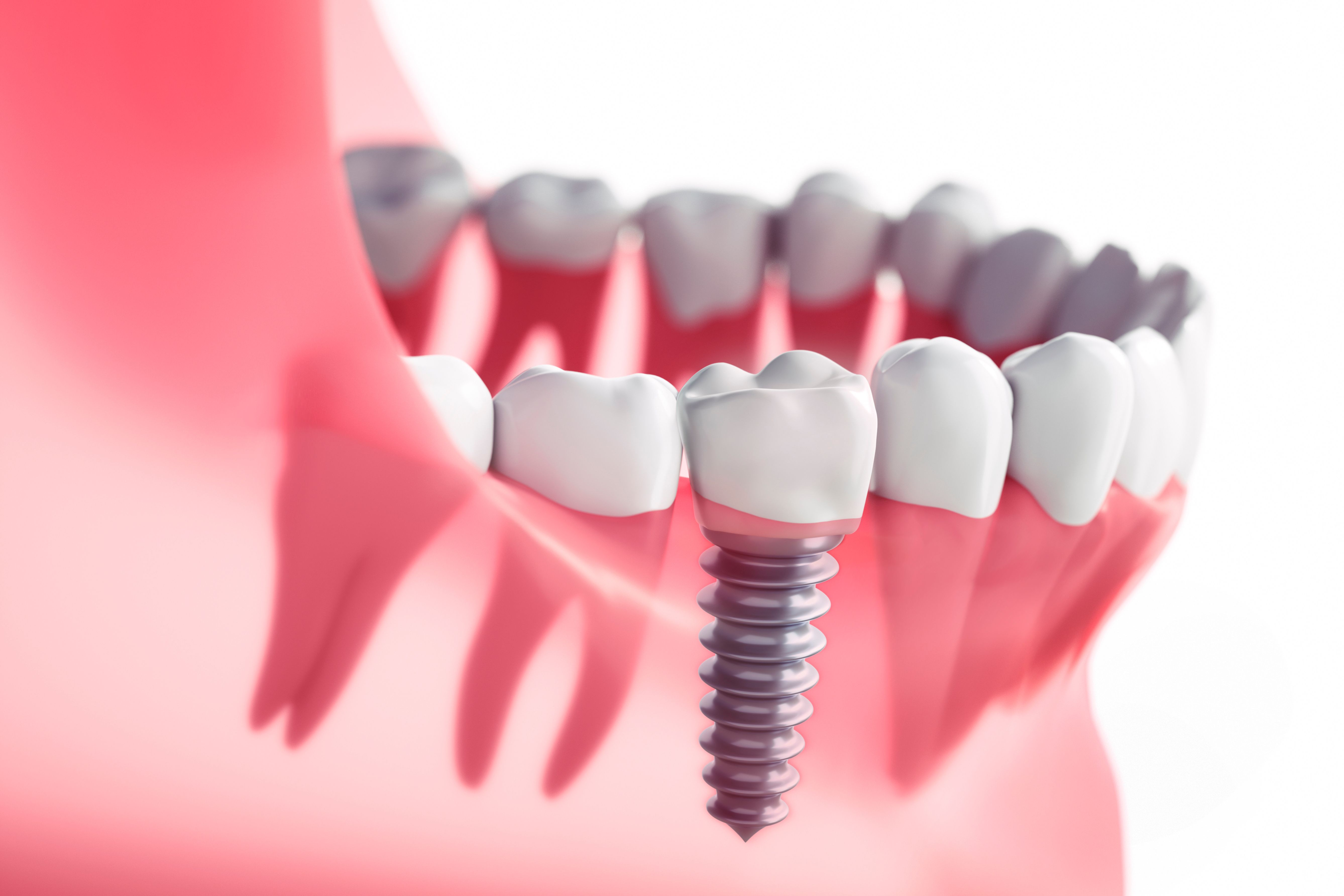
Put cavities, gum disease, and worn enamel together over years and teeth start to fail. Once a tooth is gone, your options are dental implants, bridges, or dentures. All of them work well. All of them cost far more than the prevention would have.
How do I know if I have dry mouth?
You may already have it and not realize it. Watch for these signs:
- A sticky, dry feeling in your mouth, even after drinking water
- Waking up with a parched throat
- Bad breath that does not improve after brushing
- Cracked lips or sores at the corners of your mouth
- Trouble tasting food or swallowing dry foods like crackers
- A burning feeling on your tongue
- Lipstick sticking to your teeth, or dentures that no longer feel comfortable
If two or more of these sound familiar, dry mouth is likely part of it.
How do you fix dry mouth in a desert climate?
You cannot change the weather. You can change how your mouth handles it. Here is what Dr. Keshmiri tells Las Vegas patients.
Drink water all day, not all at once. Small sips keep your mouth wet better than chugging a bottle at lunch. Aim for steady hydration, before you feel thirsty.
Chew sugar-free gum with xylitol. Chewing triggers saliva. Xylitol also fights the bacteria that cause cavities. Keep a pack in your car and bag.
Cut back on mouth-drying drinks. Coffee, alcohol, and energy drinks all pull moisture out. You do not have to quit. Just follow them with water.
Skip alcohol-based mouthwash. It feels clean but dries you out. Ask for an alcohol-free rinse made for dry mouth instead.
Run a humidifier at night. It adds moisture back to the dry, air-conditioned air while you sleep. Your mouth and your skin will thank you.
Use fluoride toothpaste twice a day. With less saliva to protect you, fluoride does more of the heavy lifting. Your dentist can prescribe a stronger fluoride if you need it.
Breathe through your nose. If you wake up dry every morning, mouth breathing may be the cause. A dentist or doctor can help you figure out why.
These steps help. But they work best alongside regular dental care.
Dry mouth in kids and older adults
Dry mouth is not just an adult problem. Kids who play sports outside in the Las Vegas heat lose fluid fast, and many do not drink enough during the day. That raises their cavity risk. A water bottle at school and sugar-free gum after lunch go a long way.
Older adults face the opposite squeeze. Saliva naturally drops with age, and many take daily medications that dry the mouth further. For seniors, dry mouth is one of the top hidden causes of new cavities and loose dentures. If you care for an older parent, this is worth a conversation at their next visit.
Sahara Dental treats the whole family, so we can catch these patterns early across every age.
When should you see a dentist about dry mouth?
See a dentist if the dryness sticks around, or if you notice early damage like sensitive teeth, bleeding gums, or new spots on your teeth. If you have sudden pain or a broken tooth, do not wait. Our emergency dentist can see you fast.
At a visit, your dentist can spot dry mouth damage you cannot see yet. They can catch a cavity while it still needs only a filling. They can treat gum inflammation before it turns into gum disease. And they can build a plan to protect your teeth through the Las Vegas summer.
Waiting is what turns a small problem into a big one. A filling is cheap. An implant is not.
Protect your smile through the Vegas heat
Dry mouth is one of the most common dental problems in Las Vegas, and one of the easiest to miss. The desert works against your teeth every single day. A little awareness and a good dental team can keep your smile healthy through it.
Sahara Dental Center has cared for families across Las Vegas, Summerlin, Spring Valley, and the Southwest for years. Dr. Keshmiri and the team focus on catching problems early, so you spend less time and money in the chair.
Due for a checkup? Book an appointment at Sahara Dental today. Call (702) 257-9090 or request a visit online. Let's keep your smile healthy, desert and all.
Frequently asked questions
Can dry mouth really cause cavities? Yes. Saliva washes away acid and bacteria. When your mouth is dry, both build up and cause tooth decay much faster than normal.
Why is my mouth dry even though I drink a lot of water? Water helps, but it is not the only factor. Medications, mouth breathing, caffeine, alcohol, and Las Vegas's dry air can all lower saliva even when you stay hydrated. If it keeps up, see a dentist.
Is dry mouth worse in Las Vegas than in other cities? Often, yes. The Mojave Desert's low humidity and high heat pull moisture from your body fast. Add in constant air conditioning and dry mouth becomes very common for locals.
What is the fastest way to relieve dry mouth? Sip water, chew sugar-free gum with xylitol, and avoid coffee, alcohol, and alcohol-based mouthwash. For lasting relief, a dentist can find and treat the cause.
Does dry mouth go away on its own? Temporary dryness from heat or a night out usually clears up with hydration. Chronic dry mouth does not. It needs a dentist to find the cause and protect your teeth.
Can medications cause dry mouth? Yes. Over 500 common medications list dry mouth as a side effect, including blood pressure pills, antidepressants, and allergy meds. Never stop a medication on your own. Talk to your dentist and doctor about ways to protect your teeth.
Does dry mouth cause bad breath? Yes. Saliva controls the bacteria that cause odor. When your mouth is dry, that bacteria grows and breath gets worse, especially in the morning.
How can a dentist help with dry mouth? A dentist can find the cause, check for early damage, prescribe stronger fluoride or a saliva substitute, and build a prevention plan for the desert climate. Schedule a visit at Sahara Dental to get started.
<script type="application/ld+json">{"@context": "https://schema.org", "@graph": [{"@type": "BlogPosting", "@id": "https://www.saharadental.com/blog/dry-mouth-las-vegas-heat#article", "headline": "Vegas Heat Is Drying Out Your Mouth. Here's Why That's a Dental Problem.", "description": "Las Vegas heat and dry desert air cut your saliva, which raises your risk of cavities, gum disease and bad breath. Here is why it happens and how to stop it.", "datePublished": "2026-07-24", "dateModified": "2026-10-12", "mainEntityOfPage": "https://www.saharadental.com/blog/dry-mouth-las-vegas-heat", "image": "https://cdn.prod.website-files.com/69a3464aecf5c0c6e132c6e7/6a63958ffc1677fb3a3c1dc2_Dentist-Las-Vegas-24.jpg", "author": {"@type": "Person", "name": "Dr. Shiva Keshmiri, DDS", "url": "https://www.saharadental.com/about-us"}, "publisher": {"@type": "Dentist", "name": "Sahara Dental Center", "url": "https://www.saharadental.com", "telephone": "+1-702-257-9090", "address": {"@type": "PostalAddress", "streetAddress": "4121 W Sahara Ave", "addressLocality": "Las Vegas", "addressRegion": "NV", "postalCode": "89102", "addressCountry": "US"}}}, {"@type": "FAQPage", "@id": "https://www.saharadental.com/blog/dry-mouth-las-vegas-heat#faq", "mainEntity": [{"@type": "Question", "name": "Can dry mouth really cause cavities?", "acceptedAnswer": {"@type": "Answer", "text": "Yes. Saliva washes away acid and bacteria. When your mouth is dry, both build up and cause tooth decay much faster than normal."}}, {"@type": "Question", "name": "Why is my mouth dry even though I drink a lot of water?", "acceptedAnswer": {"@type": "Answer", "text": "Water helps, but it is not the only factor. Medications, mouth breathing, caffeine, alcohol, and Las Vegas's dry air can all lower saliva even when you stay hydrated. If it keeps up, see a dentist."}}, {"@type": "Question", "name": "Is dry mouth worse in Las Vegas than in other cities?", "acceptedAnswer": {"@type": "Answer", "text": "Often, yes. The Mojave Desert's low humidity and high heat pull moisture from your body fast. Add in constant air conditioning and dry mouth becomes very common for locals."}}, {"@type": "Question", "name": "What is the fastest way to relieve dry mouth?", "acceptedAnswer": {"@type": "Answer", "text": "Sip water, chew sugar-free gum with xylitol, and avoid coffee, alcohol, and alcohol-based mouthwash. For lasting relief, a dentist can find and treat the cause."}}, {"@type": "Question", "name": "Does dry mouth go away on its own?", "acceptedAnswer": {"@type": "Answer", "text": "Temporary dryness from heat or a night out usually clears up with hydration. Chronic dry mouth does not. It needs a dentist to find the cause and protect your teeth."}}, {"@type": "Question", "name": "Can medications cause dry mouth?", "acceptedAnswer": {"@type": "Answer", "text": "Yes. Over 500 common medications list dry mouth as a side effect, including blood pressure pills, antidepressants, and allergy meds. Never stop a medication on your own. Talk to your dentist and doctor about ways to protect your teeth."}}, {"@type": "Question", "name": "Does dry mouth cause bad breath?", "acceptedAnswer": {"@type": "Answer", "text": "Yes. Saliva controls the bacteria that cause odor. When your mouth is dry, that bacteria grows and breath gets worse, especially in the morning."}}, {"@type": "Question", "name": "How can a dentist help with dry mouth?", "acceptedAnswer": {"@type": "Answer", "text": "A dentist can find the cause, check for early damage, prescribe stronger fluoride or a saliva substitute, and build a prevention plan for the desert climate. Schedule a visit at Sahara Dental to get started."}}]}]}</script>